
Early Detection: The Benefits of Routine Blood Work for Dogs
As veterinarians, we understand the immense joy that dogs bring to our lives. They are our ever-faithful companions, always there to brighten our days with their wagging tails and slobbery kisses.
Unfortunately, serious health problems often lurk under dogs’ happy exteriors. They have a remarkable talent for masking their symptoms until they become too severe to ignore, leading to delayed treatment.
That’s where routine blood work emerges as a powerful tool for ensuring your canine companion’s well-being.
The Power of Routine Blood Work
Our dogs may not speak our language, but their endless loyalty and affection speak volumes. We owe it to them to do everything we can to keep them healthy. Routine blood work offers a window into their health, allowing us to uncover potential health concerns in their earliest—and most treatable—stages. A simple blood draw takes just
seconds and provides a wealth of essential information. And as your dog’s veterinarian, we use this information to monitor their ongoing health and check for early warning signs of problems.
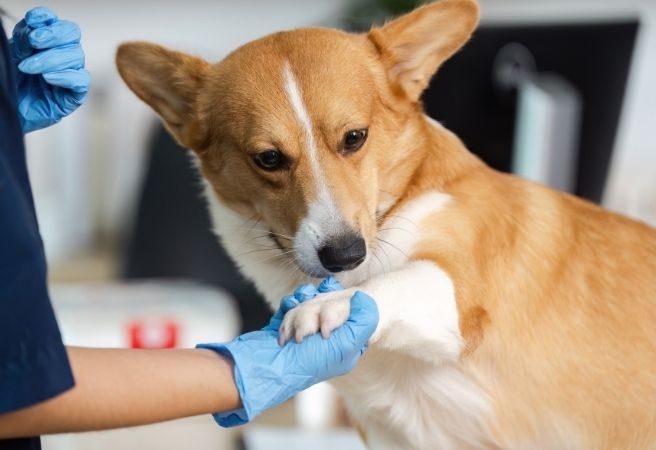
Common Tests Included in Routine Canine Blood Work
Let’s discuss the core tests commonly performed during routine blood
work for our beloved canines:
• Complete Blood Count (CBC): A CBC examines your dog’s blood cells, offering a comprehensive view of their overall health. Elevated white blood cell counts may indicate an infection, while low red blood cell counts can point to anemia or other
underlying issues.
• Blood Chemistry Profile: The blood chemistry profile provides a snapshot of your dog’s health by evaluating organ function, electrolyte balance, and blood sugar levels. Abnormalities detected through this test may indicate problems with the liver,
kidneys, or the endocrine system.
• Heartworm Test and Tick Panel: Heartworm disease is a serious threat to dogs, a disease carried by mosquitoes, something that is almost inevitable in Florida. As snowbirds and people moving in from the Midwest and Northeast travel through, routine blood work allows us to screen for heartworms. Early detection is critical, as timely treatment can prevent heartworm disease from progressing to a life-threatening stage.
With these core tests, we can thoroughly assess your dog’s internal health and lay the groundwork for tailored care and early intervention.